|
5
min read
Cosmopolitian Foz: The Triple Frontier Beyond the Obvious
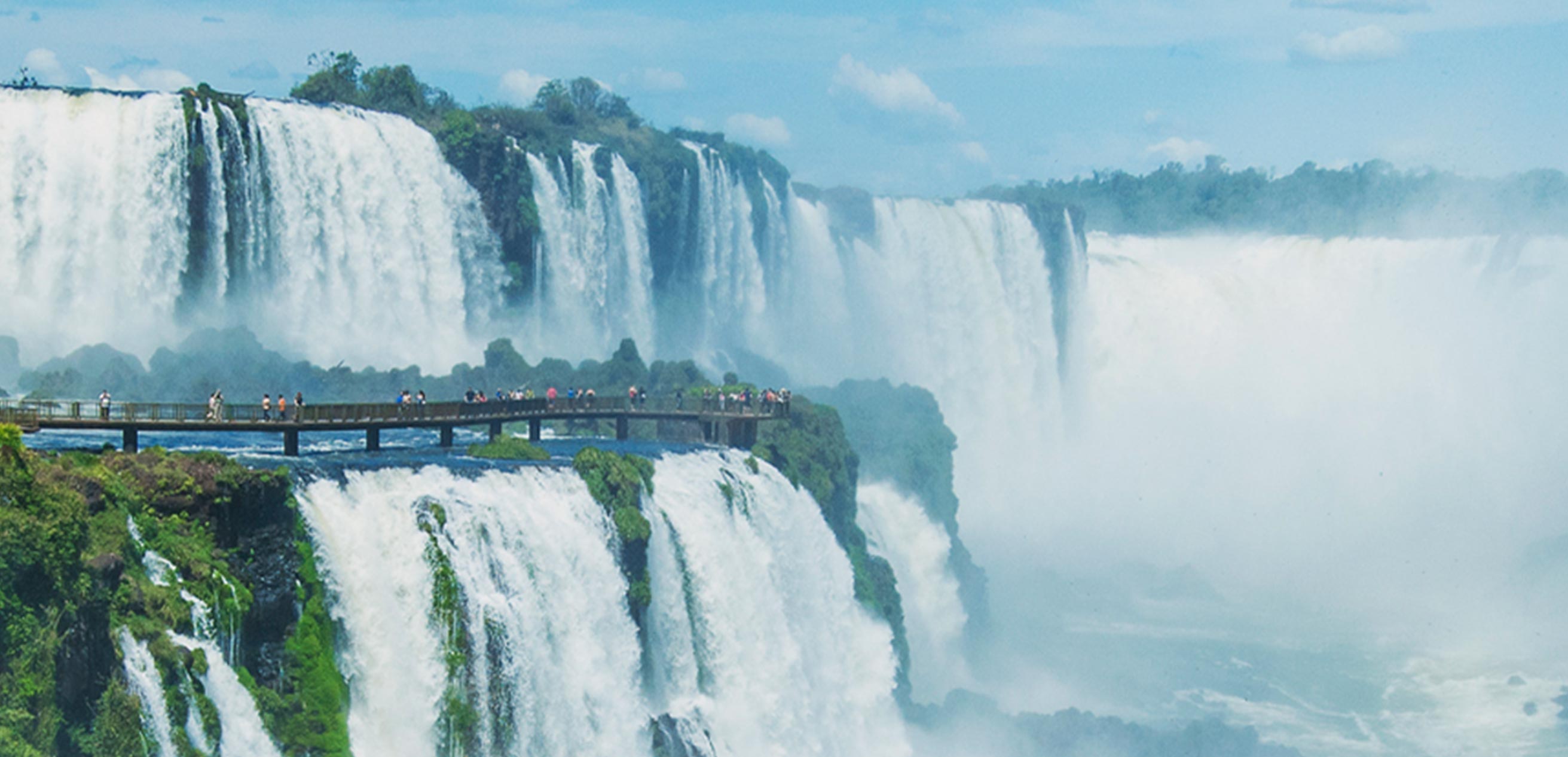
There are destinations that are visited. Others are collected. Foz do Iguaçu belongs to the second group.
Beyond the spectacle of the waters, there is a vibrant, transcultural, and surprisingly contemporary city — where three nations share the same horizon and more than 80 ethnicities have been building, for decades, an identity that no urban planning could ever invent. Staying at Sanma is being at the center of this plurality, with the depth of someone who chose to live Foz, not just visit it.
What the border brings to the table: A sensory itinerary
Here, gastronomy is a cultural map before it is a menu.
Foz is home to the second-largest Lebanese community in Brazil. In Arabic restaurants, the aroma of spices arrives before the menu — and what is eaten there carries the memory of those who brought the recipe from afar and preserved it with care. On the Argentine side, the parrilla in Puerto Iguazú is not just a cooking method — it is a ritual of fire, time, and conversation. Crossing the bridge at dusk for a long meal, with malbec and the light changing over the river, is one of the most elegant ways to make the most of the border. In Paraguay, contemporary cuisine that honors Guarani roots surprises those who arrive with real curiosity.
In Foz, every dinner is a new country waiting to be discovered.
Culture off the beaten path
The Triple Frontier has a cultural scene that thrives outside conventional circuits.
The Chen Tien Buddhist Temple and the Omar Ibn Al-Khattab Mosque reveal Foz's lesser-known dimension: that of a city that welcomed the world and preserves, in its architecture and spirituality, the living memory of each community that arrived here. These are spaces of silence and beauty that exist just minutes from the Falls — and which most visitors never find.
The Itaipu Ecomuseum preserves another layer of this history: the memory of the communities that lived along the banks of the Paraná River before the construction of the power plant. Peoples, languages, and ways of life that the water covered, and that the museum maintains with rigor and respect.
For those who want to understand the border from the air, the helicopter flight with Helisul reveals a geography that no map can convey. The meeting of the rivers, the line between countries, the scale of nature seen from above — a change of perspective that reorganizes everything seen from the ground.
The Sanma as a point of arrival
In a destination of such plurality, Sanma is the necessary counterpoint — the place where the intensity of the border meets the silence that allows you to process it.
The preserved architecture, with noble woods and original stone, creates an atmosphere that does not compete with what is outside. It welcomes. The 340 artworks by Latin American artists that inhabit the hotel's corridors and spaces are not decoration — they are the thread that connects Sanma to the same cultural richness that the city carries, in a contemplative tone.
The gastronomy follows the same logic: Mediterranean at its base, with a regional accent that recognizes the territory where it sits. A meal at Sanma does not ignore that it is in Foz — it dialogues with it, elegantly and effortlessly.
The concierge knows the city with the depth of a local. They know where the Lebanese community serves the best kafta, the perfect time to cross to Puerto Iguazú without missing the sunset light, and how to transform an ordinary day in Foz into a sequence of experiences that guests would not find on their own.
Foz do Iguaçu is cosmopolitan by nature. Sanma is where this cosmopolitanism finds form, care, and time to be lived.
Discover it.
Accommodations
Experiences
Transparency
Phone: (45) 3521-8088